High Country Toyota - 2026 Toyota Tundra Towing Tech and Hybrid Muscle for Daily Driving around Huntsville, AL
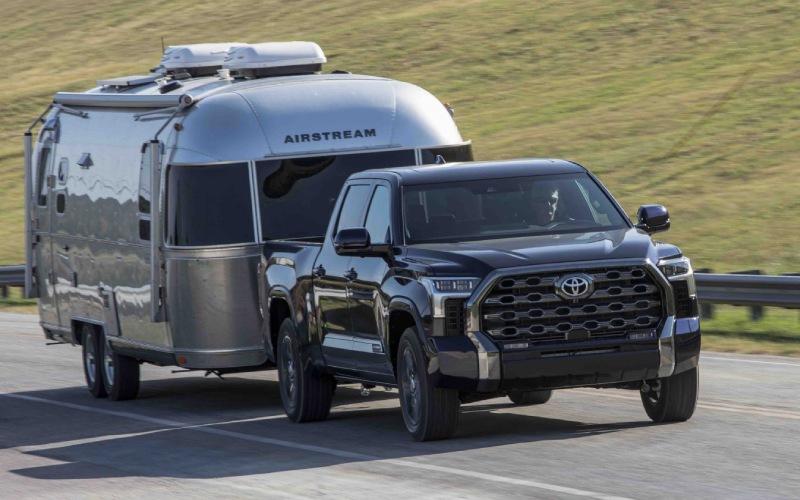
When a truck earns a reputation for strength, the real test is how it behaves when the hitch is loaded, the mirrors are full of trailer, and the route mixes city density with open highway. That is why the Toyota Tundra’s blend of i-FORCE and i-FORCE MAX powertrains and intuitive trailering technology has earned attention from drivers who tow on Friday and still want a stress-free drive to the game on Saturday. Around Huntsville, AL, that could look like a construction trailer during the week and a pair of ATVs bound for trailheads, all with the same calm control. This blog digs into how Tundra’s engine choices and driver-assistance tech work together to keep hauling predictable, stable, and simpler than you might expect, whether you are easing down a boat ramp along the Tennessee River or navigating tight storage lanes near Research Park.
First, the power. The i-FORCE twin-turbo V6 produces 389 hp and 479 lb.-ft. of torque, ideal for confident merges and steady grade-climbing with a modest trailer. Step up to i-FORCE MAX, and the twin-turbo V6 hybrid system adds an electric motor for a total of 437 hp and 583 lb.-ft. of torque. That extra torque down low is the secret to relaxed towing starts and maintaining speed without excessive downshifting on rolling stretches of I-565. Both systems are engineered for smooth response and consistent pull, so the decision comes down to your routine: long-haul weight and frequent grades favor i-FORCE MAX, while mixed-use and moderate loads are well served by i-FORCE.
Hardware and software work in concert, and Tundra shows its smarts the moment you line up the coupler. The available Trailer Backup Guide with Straight Path Assist helps keep the trailer pointed where you intend as you back into a driveway or along a ramp. The system uses steering inputs and camera data to help you maintain a straight line so you can focus on situational awareness rather than complex counter-steering. Pair that with the available Panoramic View Monitor—front, side, and rear camera perspectives stitched into a 360-degree view—and placing the rig in a narrow alley off University Drive feels much less daunting. The cameras also shine when checking for pedestrians, curbs, and posts before you commit to a turn in crowded lots.
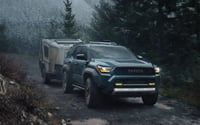
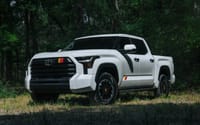
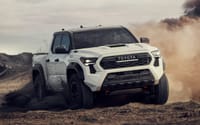
Stability from the chassis matters as much as horsepower. Tundra’s multi-link rear suspension with coil springs provides a planted, composed ride while managing tongue weight, so the rear does not bounce over expansion joints and surface transitions. Available TOW/HAUL modes refine throttle and shift logic for the added load, helping you keep the powerband right where it needs to be during passes or when settling into cruise. If your work or recreation takes you off smooth pavement—think gravel access roads to job sites or trailheads—the available TRD Off-Road Package brings tailored suspension tuning and hardware for better control in ruts and washboards. Step into TRD Pro, and the FOX® shock package with a 1.1-in. front lift deepens travel and heat management for repeated impacts.
Braking and visibility bring confidence to the final approach at your destination. The available Integrated Trailer Brake Controller lets you match trailer braking strength to load, helping maintain straight, stable deceleration. On longer downhill grades, proper brake balance reduces heat and fade while keeping the steering light. Before setting off, simple camera-check routines—verify connections, ensure lights function, confirm jack and coupler position—are easier with the wide views offered by the available 14-in. Toyota Audio Multimedia touchscreen and the camera selection shortcuts built into the interface.
Payload and bed utility round out the picture. The standard aluminum-reinforced composite bed is designed to shrug off the dents, dings, and rust that can plague steel beds, which is ideal if your cargo includes abrasive materials or wet gear. And because Tundra offers 5.5-, 6.5-, and 8.1-foot bed lengths, you can right-size the truck to your cargo profile—street-parking convenience, a sweet spot for mixed use, or maximum length for longer building materials. The bed’s durability is a real perk for anyone shuttling tools during the week and then tossing in coolers and camping kit on the weekend.
Not sure which configuration best fits your routine around Huntsville, AL? Work through the decision like a pro by considering the weight you tow most often, the trails and ramps you frequent, and how many passengers typically ride along. Here is a simple approach that helps narrow down to the right Tundra setup for your life:
- List your maximum trailer weight, typical trailer weight, and tongue weight based on real loads.
- Map your routes—interstate hills, surface streets, or gravel—and note where power and control feel most critical.
- Decide on bed length based on cargo patterns and parking realities at home or work.
- Choose the powertrain—i-FORCE for moderate loads and general use, i-FORCE MAX for frequent heavy towing or long grades.
- Select packages that align with terrain—TRD Off-Road for mixed surfaces, TRD Pro for dedicated off-road priorities.
When towing is a core part of ownership, small features add up to a calmer day. Consider these standouts that make a difference from the first mile to the last:
- Towing confidence: Max towing capability up to 12,000 lbs. when properly equipped, with powertrains tuned for steady pull and control.
- Camera coverage: Available Panoramic View Monitor offers multiple perspectives that simplify hookups and tight maneuvers.
- Trailer control: Available Trailer Backup Guide with Straight Path Assist helps you back in with fewer corrections.
- Brake management: Available Integrated Trailer Brake Controller helps align trailer braking with load and road conditions.
- Bed durability: Standard composite construction resists dents, dings, and rust, supporting long-term utility.
If hybrid power is on your mind, i-FORCE MAX deserves a close look. The added electric-motor assist is not just a spec-sheet win—it is that immediate shove you feel at the first inch of throttle as a loaded trailer starts to roll. Around town, that responsiveness helps you ease into traffic gaps without drama. On rolling highways, it keeps downshifts at bay and makes sustained grades feel flatter. And when the day is done, the powertrain settles into quiet, composed cruising that makes the ride home as relaxing as possible.
Safety and driver assistance matter just as much with a trailer as they do without one, and Toyota Safety Sense™ 2.5 brings the brand’s latest suite of active tech to every grade. The available 12.3-in. digital gauge cluster and the large 14-in. touchscreen keep the most relevant information easy to scan so you can keep eyes up and attention forward. When a truck’s systems fit naturally into the way you drive, the whole day goes smoother.
If you are comparing options, walk your test drive like a towing day—back into a space using the cameras, toggle TOW/HAUL, scroll trailering menus, and pay attention to how the suspension handles patchy surfaces. That hands-on time is how you will sense the difference between a truck that tows well on paper and one that makes real towing feel simple and controlled on your roads.
We invite you to put those pieces together and see how the Tundra’s powertrains, suspension, and towing tech perform in the real world. One drive is usually all it takes to understand how the right combination of torque, chassis tuning, and camera support removes the stress from busy Huntsville corridors and crowded launch ramps. High Country Toyota is committed to helping you choose features that make a daily difference—without overspending on gear you do not need—and to supporting you long after the keys change hands, serving Decatur, Huntsville, and Owens Cross Roads.
Frequently Asked Questions:
Which Tundra powertrain is better for frequent heavy towing?
The i-FORCE MAX hybrid, rated at 437 hp and 583 lb.-ft. of torque, is the smart pick if you often pull at the higher end of Tundra’s capability or tackle long, rolling grades. The electric-motor assist helps launches and keeps acceleration smooth and steady with a trailer attached.
How does Trailer Backup Guide with Straight Path Assist help in tight spaces?
As you back up, the system uses sensors and steering input to help keep the trailer tracking straight, reducing the guesswork of counter-steering. It is especially helpful when backing down a boat ramp or into a storage lane with limited room for correction.
Is the bed tough enough for abrasive cargo and frequent loading?
Yes. The standard aluminum-reinforced composite bed is engineered to resist dents, impacts, dings, and rust, which is a major advantage if you load tools, landscaping supplies, or wet gear that would typically punish a steel bed.
Do the camera systems improve daily driving, not just towing?
Absolutely. The available Panoramic View Monitor’s 360-degree view simplifies parking-garage ramps, tight curbside spaces, and cluttered jobsite staging areas. It is useful every day, trailer or not.
What should I consider when choosing bed length?
Balance cargo needs with parking realities. If you regularly haul longer materials, the 6.5- or 8.1-foot bed pays off. If you parallel park often or prefer easier city maneuvering, the 5.5-foot bed is a smart fit.