High Country Toyota - Does the 2026 Toyota Tundra Hybrid Tow More Confidently Than the 2026 Ram 1500 around Harvest, AL?
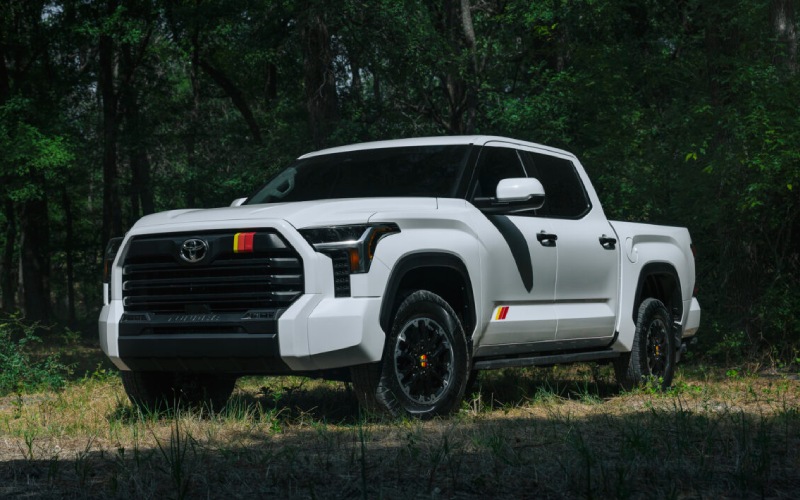
When you’re comparing full-size pickups for towing duty around Harvest, AL, the questions go deeper than a single spec. You want to know how the truck behaves when you’re climbing a grade with a crosswind, backing into a tight storage space, or threading across town to pick up a trailer between errands. That’s where the available i-FORCE MAX hybrid in the 2026 Toyota Tundra shows its hand: 437 horsepower and 583 lb-ft of torque delivered with immediate response, teamed to a 10-speed automatic that keeps the engine in its sweet spot. On paper, Ram 1500 offers a strong mix of engines and impressive horsepower, and its max tow rating is close. In practice, the Tundra’s torque-first strategy and integrated trailering tech make a noticeable difference when you’re moving real weight in the real world.
The Tundra’s Trailer Backup Guide with Straight Path Assist isn’t a party trick; it cuts the learning curve when reversing with a boat or utility trailer. Pair it with the available Panoramic View Monitor for a 360-degree camera perspective and you see how easily you can place a trailer exactly where you intend. Ram 1500 counters with its own trailer-assist features and 360 views, but Tundra’s interface gets you into the right camera and mode with fewer taps and less hunting—useful when weekend schedules are tight and campsites or boat ramps are busy.
Key Towing Numbers in Context
Spec sheets matter, but context matters more. The 2026 Tundra, when properly equipped, tows up to 12,000 pounds. The 2026 Ram 1500’s top rating lags slightly behind that figure. More important than the headline rating is how each truck delivers its power. The Tundra’s hybrid fills in the low-end punch, which you feel when launching a loaded trailer or nudging into traffic gaps with confidence. Ram’s turbocharged options and returning V8 provide solid power, but the Tundra’s instant torque and tight gear spacing often translate to fewer downshifts and steadier progress with a heavy load.
Real-World Towing Confidence
Harvest-area towing combines stop-and-go stretches, rolling grades, and occasional gusty conditions. In those scenarios, the Tundra’s chassis tuning and multi-link rear suspension with coil springs help the truck stay composed. Available height-control rear air suspension can level the load, improving headlight aim and brake feel. Ram also offers coil-spring and air-suspension hardware, but it’s the way Toyota ties powertrain, chassis, and trailering software together that stands out—one cohesive feel that helps tamp down the little corrections and throttle stabs some trucks invite when the trailer starts to push.
Trailering Tech That Works With You
Technology should reduce stress, not add it. The Tundra’s 14-in Toyota Audio Multimedia touchscreen and available 12.3-in digital gauge cluster surface towing data, cameras, and guidance right where you need them. It’s simple to see tongue-weight information, view your trailer angle, and confirm your surroundings. Ram’s big-screen approach is similar in theory, but Tundra’s menu logic and larger camera tiles frequently make it faster to confirm clearances before you commit to a move.
Daily Drivability When You’re Not Towing
Plenty of owners tow a handful of times a month and daily-drive the truck the rest of the time. Here, the Tundra’s hybrid isn’t just strong—it’s smooth, with near-instant low-speed torque that merges gracefully into steady-state cruising. Around town, it’s the difference between a truck that feels eager versus one that needs a moment to gather itself. The 10-speed’s programming minimizes busy shifting, and selectable drive modes let you soften or sharpen responses depending on the day’s tasks.
Payload, Bed Durability, and Utility
Payload numbers matter, but how the bed holds up is just as important. Tundra’s standard aluminum-reinforced composite bed resists dents, dings, and rust—ideal if you’re hauling blocks, pressure-treated lumber, or gear that doesn’t always land gently. Available bed lengths up to 8.1 feet make it easier to keep the tailgate shut with long loads. Ram 1500 offers compelling cargo features and two bed lengths, but it doesn’t match Tundra’s composite-bed durability advantage.
Ownership Confidence and Safety
Every Tundra includes Toyota Safety Sense 2.5 with driver assistance features that reduce fatigue on longer highway tows and help keep you centered and aware in traffic. The available Panoramic View Monitor multiplies your visibility, especially when you’re easing a trailer into a tight storage pad. Ram offers a robust suite of available safety features as well, but Toyota’s broad standardization means you start from a high baseline on every Tundra trim.
How to Choose Between Tundra and Ram for Towing
Both trucks can tow confidently, but the Tundra’s hybrid torque curve, integrated camera and trailer guidance, and composite bed make a compelling case if you tow regularly and also use your truck for family and errands. If you prefer a particular Ram engine sound or trim personality, that’s valid—but line up the use cases that matter to you, then drive both. Most shoppers feel the Tundra’s composure right away.
- Tow rating context: Tundra tops out at 12,000 lbs when properly equipped, edging Ram’s maximum rating and pairing it with hybrid torque for confident launches.
- Tech for placement: Tundra’s Trailer Backup Guide with Straight Path Assist and Panoramic View Monitor make lining up and reversing more predictable.
- Bed durability: The composite bed resists dents and rust, reducing long-term worries when hauling rough materials.
Frequently Asked Questions:
Does the Tundra’s hybrid help with towing at low speeds?
Yes. The i-FORCE MAX hybrid’s electric motor supplements the twin-turbo V6, delivering immediate torque that smooths out launches on ramps and in traffic.
Can both trucks help me reverse a trailer more easily?
Yes. Tundra offers Trailer Backup Guide with Straight Path Assist, while Ram provides its own trailer steering assist. Both work, but Tundra’s interface is especially straightforward.
Which bed is better for rough cargo?
Tundra’s standard aluminum-reinforced composite bed resists dents and rust, which is a plus if your cargo isn’t always gentle.
Are big screens standard?
Both trucks offer large center touchscreens and digital clusters. Tundra’s available 14-in display and 12.3-in gauge cluster present towing and camera data clearly and consistently.
If you’re ready to put these differences to the test, stop by for a drive and bring your questions. We’re High Country Toyota, serving Owens Cross Roads, Harvest, and Guntersville with product expertise and helpful guidance tailored to how you really use your truck.