High Country Toyota - Which truck delivers a smoother ride for daily driving and towing around Huntsville, AL — 2026 Toyota Tundra or 2026 Ford F-150?
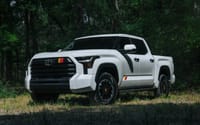
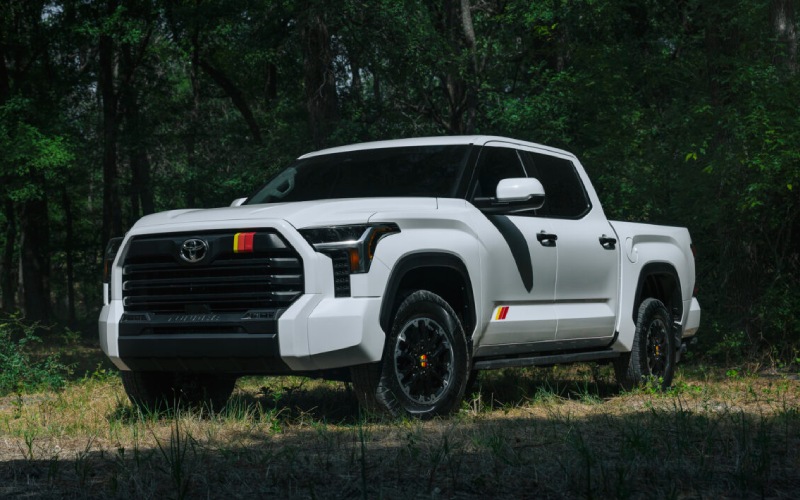
Ride quality is a top question for full-size truck shoppers who split time between I-565, two-lane connectors, and boat ramps around Huntsville, AL. Both the 2026 Toyota Tundra and 2026 Ford F-150 are proven haulers, but their suspension philosophies differ in ways you can feel every mile. Here’s a deep dive into why the Tundra often feels more composed across the mix of urban pavement, chip-seal county roads, and gravel drives our customers travel most.
Chassis fundamentals that shape your everyday comfort
Tundra employs a standard multi-link coil-spring rear suspension across the lineup. Coils and a well-placed lateral link improve wheel control over sharp impacts and reduce head toss in the cabin. The F-150 retains leaf springs for most trims, which are durable and simple, but they can transmit more jiggle over broken surfaces when the bed is empty. If you carry tools or tow, the Tundra’s available rear load-leveling air suspension steadies the truck’s stance and helps maintain ideal hitch height—great when you’re setting a trailer for a quick dawn run to Guntersville.
On a rough connector with patched asphalt, the Tundra’s rear tracks cleanly, and steering corrections are minimal. Less aftershock makes a long day shorter, particularly for crews rotating drivers between worksites.
Powertrains that complement the suspension
The i-FORCE MAX hybrid is a standout in stop-and-go and merge zones. Its electric motor fills in instant torque, which reduces shuffle from downshifts and keeps the truck steady under load. That composure amplifies the calm ride you get from the multi-link rear. Ford’s PowerBoost hybrid is strong, too, but Tundra’s 583 lb.-ft. of torque gives you a more immediate surge with a loaded trailer, smoothing the transition from neighborhood streets to highway on-ramps.
Whichever Tundra engine you choose, the 10-speed automatic’s programming makes smart, unobtrusive shifts. That subtle polish matters when you’re backing down a ramp with onlookers waiting their turn.
Trailer tech that reduces stress (and motion)
Backing and stabilizing a trailer can be the biggest ride-quality test of all. Tundra’s Trailer Backup Guide with Straight Path Assist uses cameras and sensors to help hold a steady line while reversing, reducing the sawing inputs that can unsettle truck and trailer. Pair it with the Panoramic View Monitor for a 360-degree look around obstacles and curbs—particularly useful in tight neighborhood launches and crowded job sites.
Ford answers with its own trailer backing tools, but in practice, we find Toyota’s camera clarity and guidance prompts simpler to follow for drivers of varying experience levels, which helps keep movements smooth and predictable.
Cabin calm and technology that make miles easier
Ride comfort is about what you feel and what you hear. Tundra’s structure and acoustic tuning limit tire slap and wind noise effectively. Inside, the available 14-in. Toyota Audio Multimedia touchscreen and 12.3-in. Digital Gauge Cluster put towing data, camera views, and navigation where you can see them at a glance, reducing cognitive strain and the micro-corrections that can lead to fatigue on longer drives.
Standard Toyota Safety Sense™ 2.5 provides Lane Tracing Assist and Full-Speed Range Dynamic Radar Cruise Control to help maintain orderly spacing and lane position—particularly helpful during evening commutes on I-565.
Quick comparison: where you’ll feel the difference most
- Unloaded ride on patched pavement: Tundra’s coil-spring rear stays settled, with fewer secondary motions over expansion joints.
- Hitching and hauling stability: Available rear air suspension helps keep the truck level and steering precise under tongue weight.
- Low-speed maneuvering with a trailer: Straight Path Assist reduces steering input swings that can cause trailer sway during setup.
- Cabin focus and fatigue: Large, clear displays and calm NVH tuning make long days feel shorter.
Frequently Asked Questions:
Does the Tundra’s coil-spring rear make a big difference if I tow?
Yes. It improves lateral control and reduces hop, which you notice most during transitions—merging, cresting ramps, and lane changes. Add the available rear load-leveling air suspension and stability improves further under tongue weight.
How do the hybrids compare for smoothness?
Both are strong, but the i-FORCE MAX’s 583 lb.-ft. of torque delivers a more immediate push at low rpm. That reduces gear hunting and helps the truck feel planted with a heavy trailer.
Will the composite bed feel different than aluminum?
The Tundra’s aluminum-reinforced composite bed resists dents and rust and helps damp certain vibrations that can echo through metal. Over years of mixed use, it keeps its shape and finish with less upkeep.
What driver-assistance features help most with ride quality?
Features that reduce driver workload—Full-Speed Range Dynamic Radar Cruise Control, Lane Tracing Assist, and 360-degree camera views—limit constant micro-corrections, which translates into a calmer, smoother drive.
If your top question is “Which truck rides better where I live and work?” our short answer is Tundra. The combination of a multi-link coil-spring rear, available air suspension, torque-rich hybrid response, and intuitive towing tech meets the reality of Huntsville-area driving—busy arterial roads, quick highway merges, and weekend towing—without drama.
Have follow-up questions or want to compare specific configurations? High Country Toyota is serving Huntsville, Owens Cross Roads, and Harvest with expert guidance and on-road demos tailored to your route. Bring the family, bring your trailer measurements, and bring your daily driving challenges—we’ll map a test loop that shows exactly how the Tundra’s calm confidence pays off.